
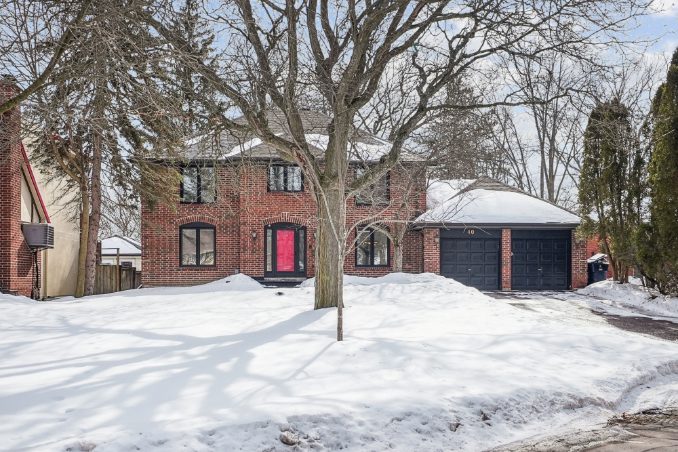
The home inspection is one of the most important hours of the entire buying process — and most buyers spend it quietly watching, when they should be asking.
A good inspection is your clearest window into what you're actually buying: the condition of the systems you can't see, the repairs you'll inherit, and the difference between a cosmetic flaw and a costly one. But an inspection report is only as useful as the conversation around it. The best buyers treat their inspector as a teacher for a couple of hours — and the right questions are what turn a stack of photos into a decision you can stand behind.
Here are the five we'd want every client of ours to ask.
1. Can you walk me through how you inspect?
Before anything else, understand the inspector's methodology. A thorough inspection covers every major system — foundation, roof, electrical, plumbing, heating and cooling, drainage — and the structure that ties them together. Knowing how they work, and in what order, tells you what's being looked at and, just as importantly, what falls outside the scope (most standard inspections don't open walls or test for things like radon or asbestos without a specific request). Ask early, and nothing on the report will surprise you later.
2. What are the most serious issues you found?
Every report lists a long tail of minor notes. What you need first is the short list that actually matters. Ask the inspector to separate the major concerns — structural movement, an aging roof, electrical problems, signs of water intrusion — from the routine wear. Knowing the severity of each issue is what lets you decide whether to proceed, renegotiate, or walk, and it's the foundation of any conversation we'd have with the listing side on your behalf.
3. Are there any red flags I should be aware of?
Experienced inspectors develop an eye for the things that hint at bigger problems underneath — staining that suggests a past leak, fresh paint in one odd spot, signs of mould, or evidence of pests. Asking directly about red flags invites the inspector to share the instincts that don't always make it into the written summary. These are often the most valuable few minutes of the day.
4. What maintenance and repairs should I plan for?
A great inspector does more than catalogue what's wrong today — they help you see what's coming. Ask which items need attention now, which can wait a year or two, and what the ongoing upkeep of the home will look like. This is how you turn the report into a realistic budget, so the costs of ownership arrive on your schedule rather than as a surprise.
5. Are there any safety concerns to address immediately?
Some findings are about value; others are about safety. Faulty wiring, a cracked heat exchanger, missing railings, or grading that sends water toward the foundation belong in their own category. Ask the inspector to flag anything that should be handled right away, before or shortly after you move in, so the first weeks in your new home are spent settling in — not scrambling.
No home is perfect. Even new builds come with deficiencies and a maintenance list. The point of an inspection isn't to find a flawless house — it's to understand exactly what you're taking on.
Approached the right way, the inspection isn't a hurdle late in the deal — it's the moment you trade hope for knowledge. Ask good questions, listen closely, and you'll walk into closing day with clarity instead of crossed fingers.
Buying in West Toronto?
We guide our buyers through every step — from the first showing to the inspection to the keys. We're glad to recommend trusted, certified inspectors and help you read what the report really means.
How We Work With Buyers